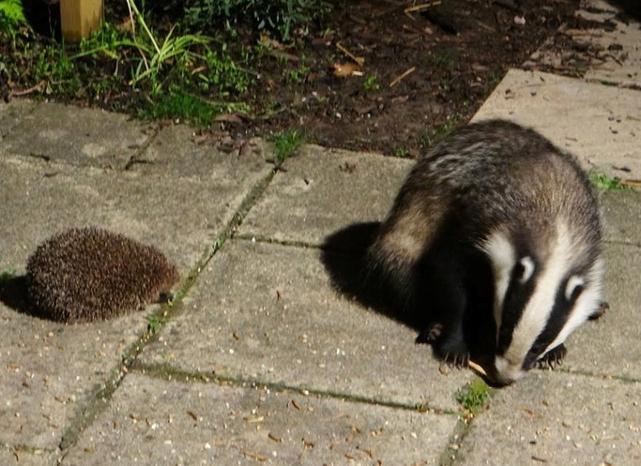
Hedgehog and Badger
Nicole weaver
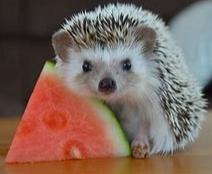
HEDGEHOGS
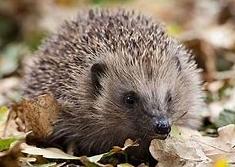
In the wild hedgehogs are primarily insectivores/invertebrates, the most important invertebrates in their diet are worms, beetles, slugs, caterpillars, earwigs and millipedes. although they will often eat whatever is available to them. Hedgehogs are known to eat baby mice, eggs, small snakes and fruits however, some fruits can be harmful to hedgehogs, fruits such as grapes and raisins. hedgehogs are not picky eaters and will eat just about anything they find.
BADGER
Badgers are omnivores, they eat a mixture of animals/meats and plants. Badgers have a wide range of foods to choose from depending on the time of year, local land use and weather conditions. The most important item to a badgers diet is earthworms but other favoured foods include birds, beetles, squirrels, rats, reptiles, young rabbits and amphibians. Badgers also feed on bee and wasp larvae, fruits, nuts, seeds and cereals.
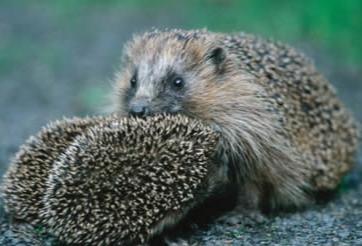
HEDGEHOGS
Usually hedgehogs are solitary animals and very rarely socialize until they are ready for breeding at mating season. Within the mating period hedgehogs will not form any bonds, once reproduction takes place the male will leave and the female will raise their offspring. The male will not usually interact until mating season occurs again, young hedgehogs will typically stay with their litter for about 6 weeks then will eventually separate once they have reached a suitable weight. Some young hedgehogs may hibernate together during their first winter season.
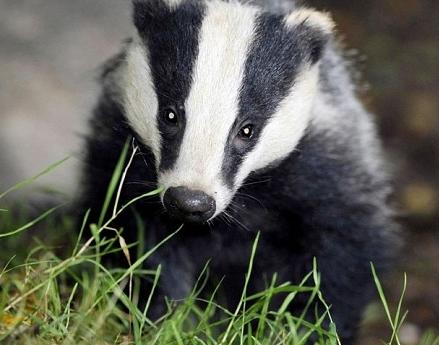
BADGERS
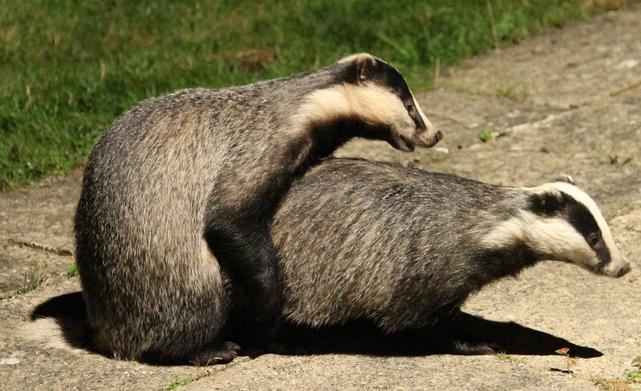
Usually badgers live in a social structure containing around 5 adults. Within these social structures there are typically more female badgers than males due to the high rate of deaths of the male badgers, resulting from them fighting each other. Not all female badgers breed as only the larger females are able to breed. This is because the smaller females get injured from the bigger males. The offspring of the smaller females also usually get killed by the more dominant young. When badgers fight they bite each other on their rumps, fighting mainly takes place in spring and summer when they are mating. Within the badger groups their is constant grooming causing them to form a bond and relationship with one another.
HEDGEHOGS
For the first 3 to 4 weeks baby hedgehogs will only drink from their mother. Before they can leave the nest they have to stay away from exploring as their main method of defence (spines) have not fully developed. Once they reach 2 years old hedgehogs can reproduce. The most productive time for breeding is around June and July.
BADGER
When badger cubs are born they are blind and they have to suckle from their mother for about 12 weeks. At around 6 weeks old the cubs will explore their tunnels and at 8 weeks old they may come to the entrance of the tunnels. After this the young cubs have to find their own food. Then the young badgers will go with their mothers to forage for food while the mother shows what is good to eat. At around 15 weeks old they usually go foraging on their own.
HEDGEHOGS
A hedgehog is known as a nocturnal animal and spends the majority of the day sleeping and will usually only wake up when the sun starts to set. Baby hedgehogs usually sleep more than adult hedgehogs, although they are very active during the night, within this time period they will gather food sources and look for places to live in.
BADGERS
A Badger is a nocturnal animal which spends the majority of its days sleeping in underground borrows, usually a badger will emerge from their homes when the sun goes down . During winter they might come out for long periods at a time after the sun has gone down whereas during summer times they might may come out while the sun is still up.
HEDGEHOG
During winter a hedgehog will go into hibernation as their food source becomes very low although some hedgehogs will avoid hibernation and stay active through winter if they have access to enough food to keep them strong and healthy. Most hedgehogs will enter hibernation around October or November.
BADGER
In cold weather a badger will go into hibernation from October to march, this is because there is lower amounts of food sources so they are not able to sustain a healthy intake of the food they eat. Hibernation is a more efficient method or aid ti their survival during the winter months than being lethargic due to a lack of food.